Halloween Horrors: When Marketing Campaigns Go Boo!
Filed under:
Seasonal Branding for Businesses
Burger King's 2017 Halloween campaign
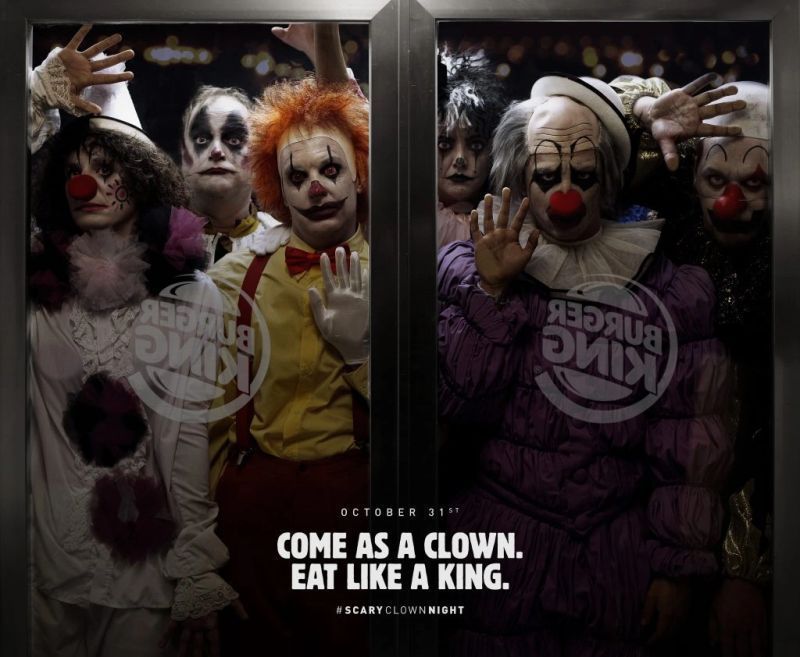
Burger King's "Come as a Clown, Eat Like a King" 2017 campaign during Halloween offered customers dressed as clowns a free Whopper, cleverly poking fun at their competitor, McDonald's, and its iconic mascot, Ronald McDonald. This initiative encouraged participants to share their spooky clown outfits on social media using the hashtag #ScaryClownNight, capitalizing on the popularity of clowns as a Halloween costume choice, boosted by the success of the horror movie 'It.'
The campaign achieved impressive results:
- More than 110,000 people participated by dressing up as clowns.
- It garnered an astonishing 2.1 billion impressions globally.
- It generated $22.4 million in earned media coverage.
- It drove a notable 15% surge in global sales
This initiative vividly illustrated the potency of the zero-price effect, showcasing how offering a free product can profoundly sway consumer behaviour.
The Spooky Side of Marketing
Halloween presents a prime opportunity for inventive marketing, but sometimes, even well-conceived campaigns can have unintended consequences. Let’s take a closer look at how Burger King's Halloween marketing stunt veered into some creepy territory and the lessons we can glean from such missteps.
The Haunted House Hijinks: Burger King's Creepy Clown Stunt
In an effort to inject a dose of fright into their Halloween marketing strategy, Burger King took a bold leap with their "Come as a Clown, Eat Like a King" campaign. This initiative was designed not only to entice customers with a free Whopper but also to playfully mock their rival, McDonald's, by appropriating the imagery of their clown mascot, Ronald McDonald.
The Creepy Clown Effect
Burger King’s promotional materials featured a menacing clown figure with an unsettling grin, inviting patrons to embrace the Halloween spirit by donning clown attire and participating in the themed promotion. The intent was to tap into the fear factor associated with clowns, leveraging it to create a buzz worthy campaign that would divert attention from their competitor.
Mixed Reactions
While the campaign resonated positively with some customers who found it entertaining and eagerly participated, it also triggered a wave of concern and criticism. Many parents expressed apprehension about the potential impact of the campaign’s imagery on children, especially those who have a fear of clowns (Coulrophobia). The intense visual theme raised eyebrows among families and communities, leading to a backlash on social media and in local discussions.
Burger King's venture into Halloween marketing with their creepy clown stunt was a double-edged sword of tricks and treats. While it effectively sparked dialogue and garnered extensive media coverage, it also underscored the delicate balance between playful rivalry and the potential for unsettling imagery.
Design agency near me
Published :
Craving more?
WE LOVE THAT.