April Fools and Marketing: The Brands That Got It Just Right
Filed under:
April Fools Marketing
Every April 1st, we find ourselves doing the same thing: scrolling with one eye open, equal parts delighted and braced for something that's going to make us cringe. Because the truth is, April Fools marketing is a gamble. When brands pull it off, it's genuinely one of the best things in marketing. When they don't... well, the internet remembers.
So let's talk about what good actually looks like, and why it matters more than most brands realize.
the line between charming and chaotic
Here's the thing about April Fools campaigns: the best ones never make you doubt the brand. They lean into a truth that already exists, exaggerate it just enough to be funny, and leave you smiling rather than confused.
The worst ones? They fake something that matters. Fake closures, fake rebrands, fake bad news. It might get attention for five minutes, but attention built on anxiety isn't the kind you want. People have enough genuine uncertainty to deal with right now without a company they trust adding to it for the sake of a laugh.
The brands doing this well understand one thing: the joke should make people feel closer to you, not question whether you're going to be okay.
the ones that earned a chuckle (and maybe our respect)
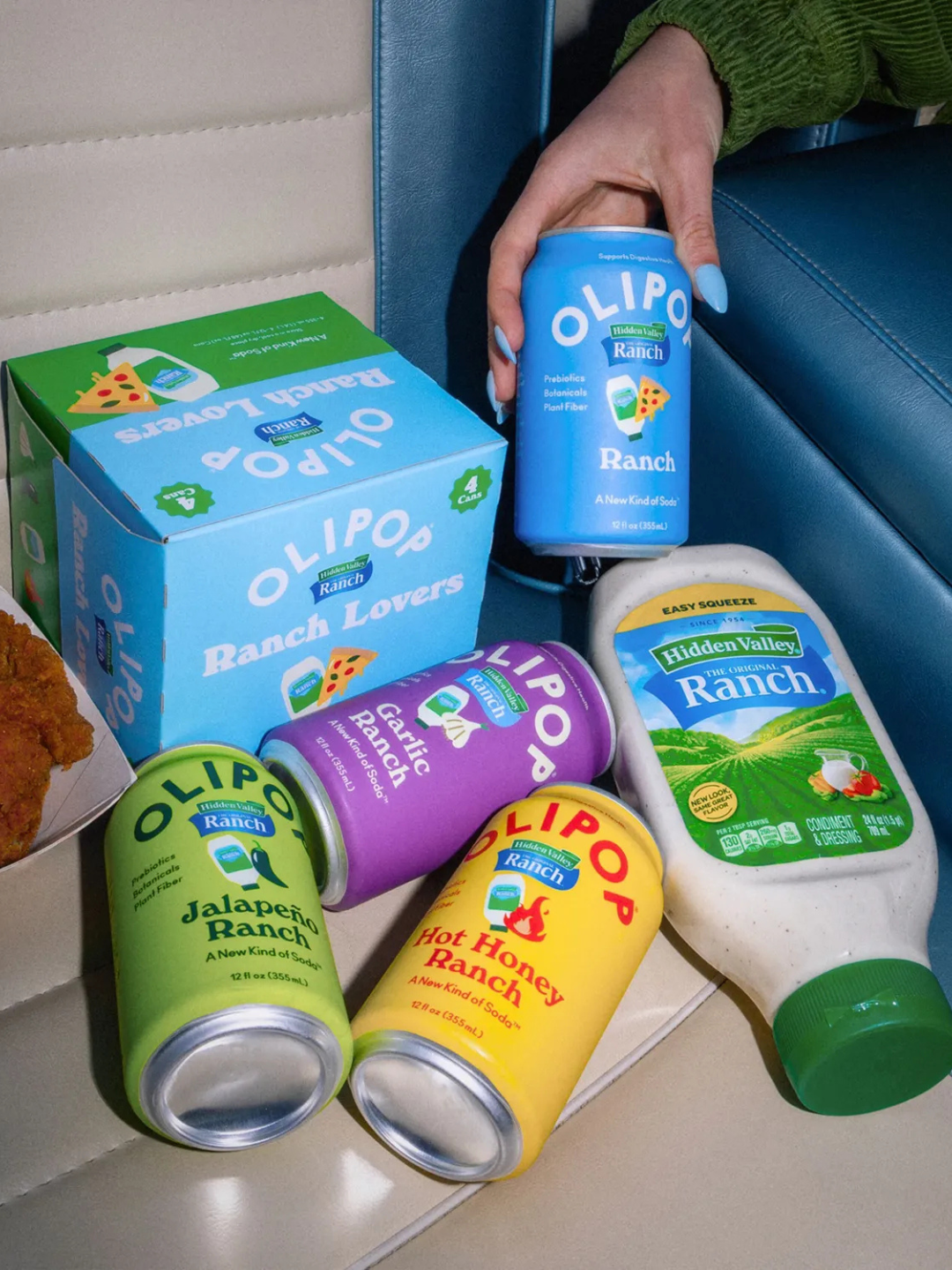
OLIPOP x Hidden Valley Ranch took an existing wellness brand collab framework and cranked it all the way up. Ranch-flavoured soda. Jalapeño Ranch. Hot Honey Ranch. It's ridiculous, it's very on-brand for both companies, and honestly? It somehow feels believable because OLIPOP has built a brand around unexpected flavours. The joke has a root in reality, which is exactly what makes it work.
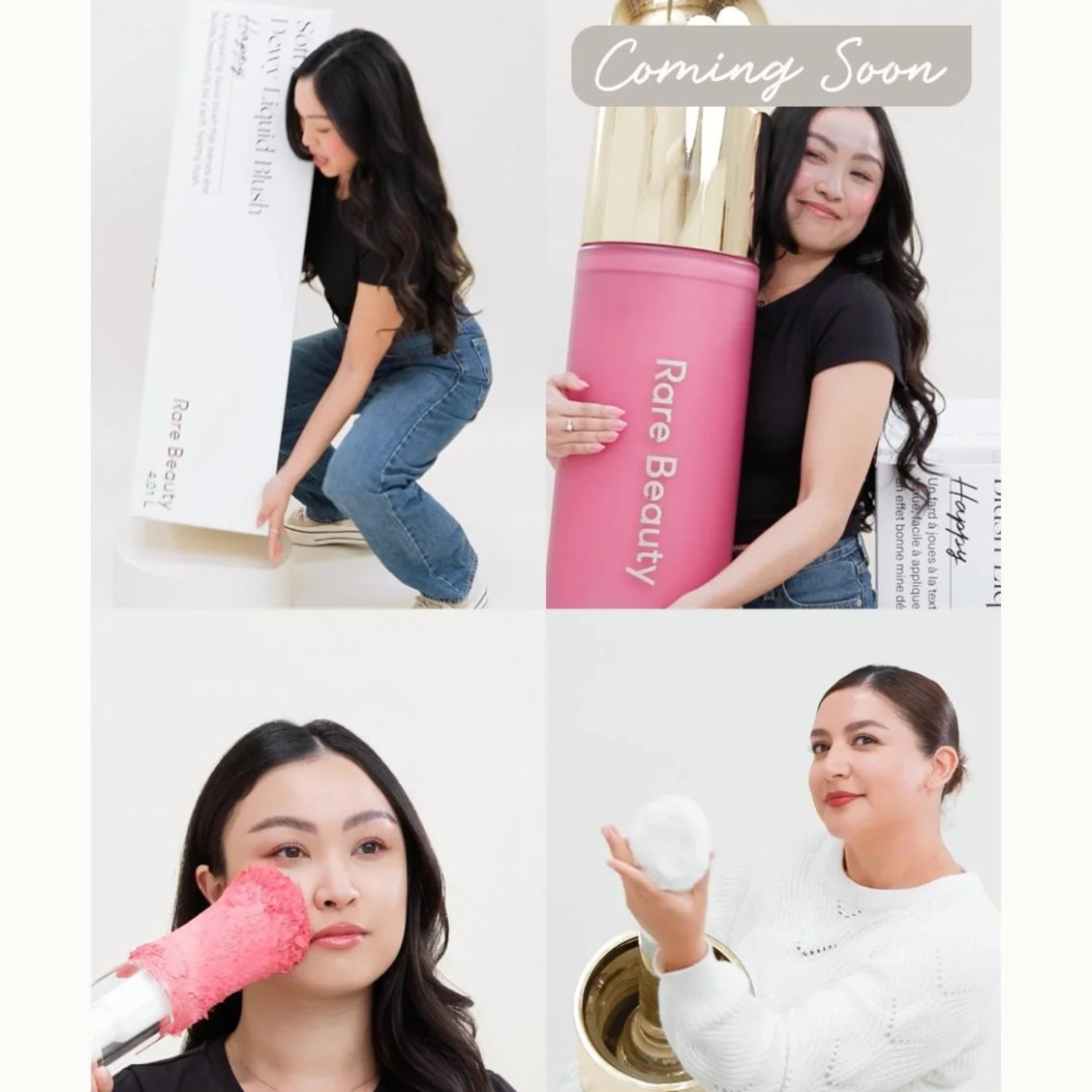
Rare Beauty
announced a jumbo blush the size of a small child, priced at $401 and listed as "Out of Stock." It was absurd, completely in character, and gently poked fun at both beauty industry excess and their own wildly successful blush line. The audience was in on it immediately, and that shared understanding is everything.
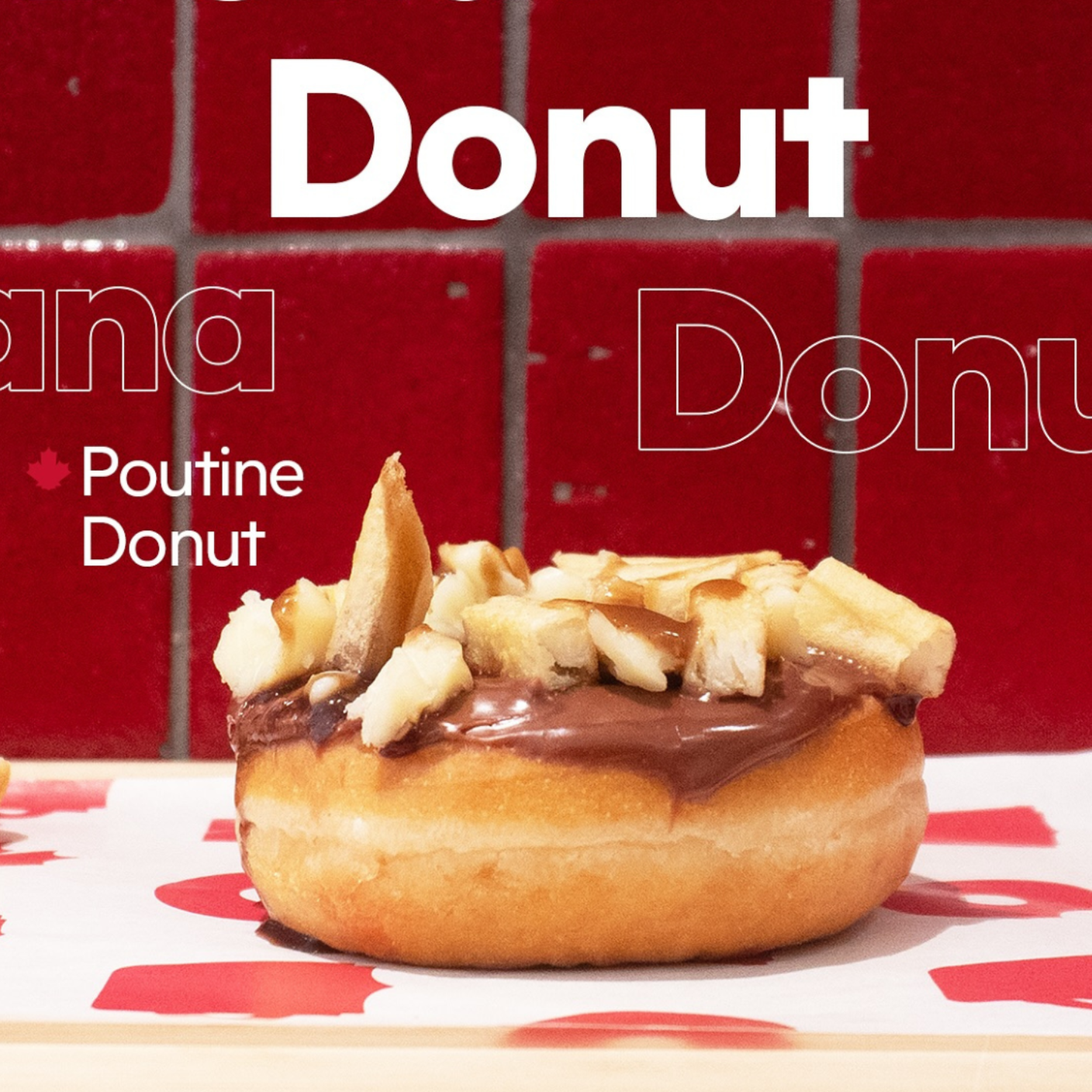
Tim Hortons leaned straight into chaos with their Canadian inspired Donut lineup. Particular of note the Poutine Donut, a glazed donut topped with fries and gravy-brown icing. Disgusting? Arguably. Perfectly on-brand for a company that knows exactly who its people are? Absolutely. It works because Tims has always had a cheeky relationship with Canadian food culture, and this felt like a natural (if deeply wrong) extension of that.
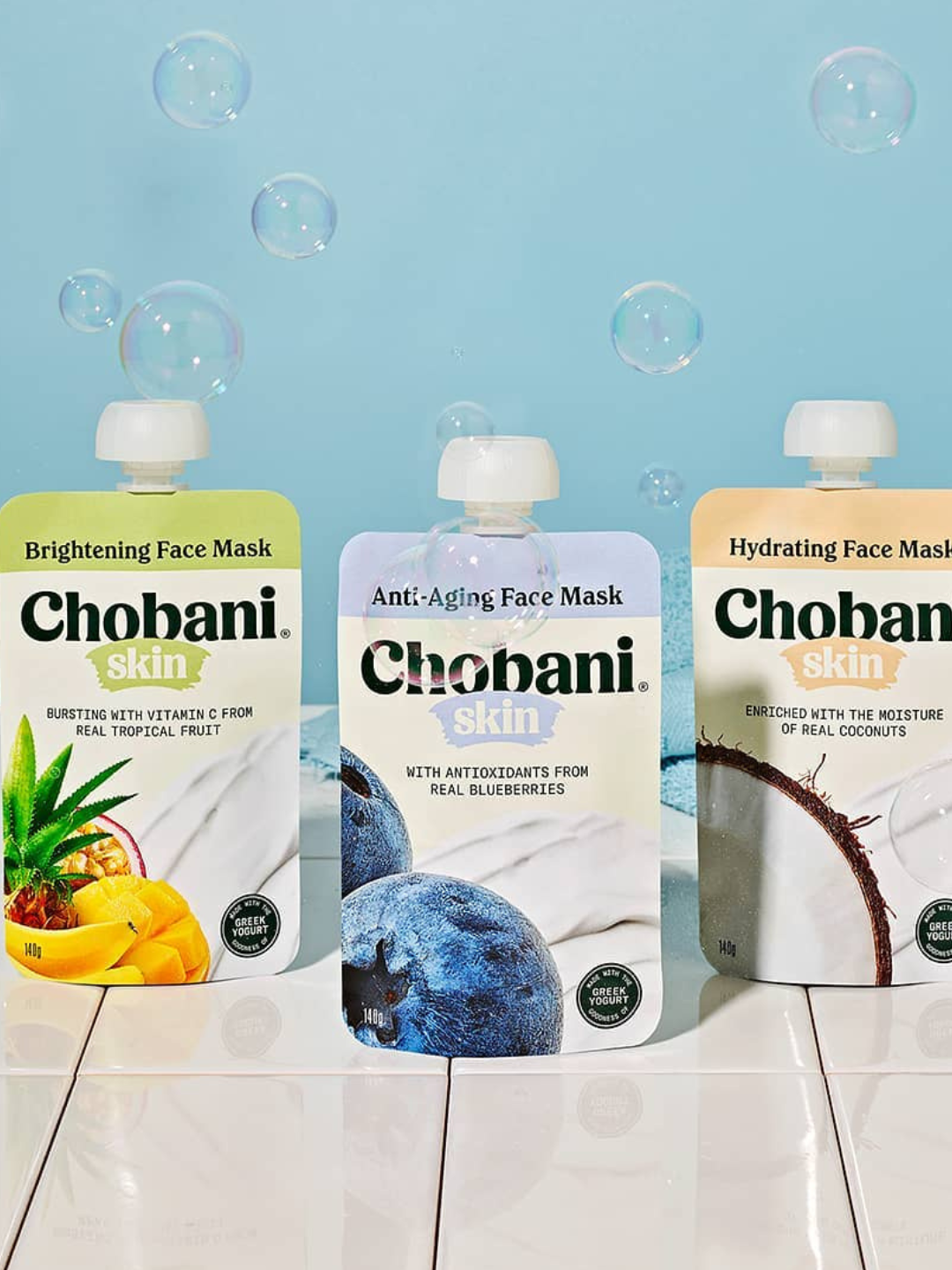
Chobani launched "Chobani Skin," a line of Greek yogurt face masks. The branding was so convincing that for a second you had to double-check. The campaign played on the real wellness-beauty crossover trend without pretending to be an actual brand pivot. It was absurd enough to be funny, grounded enough to feel plausible.
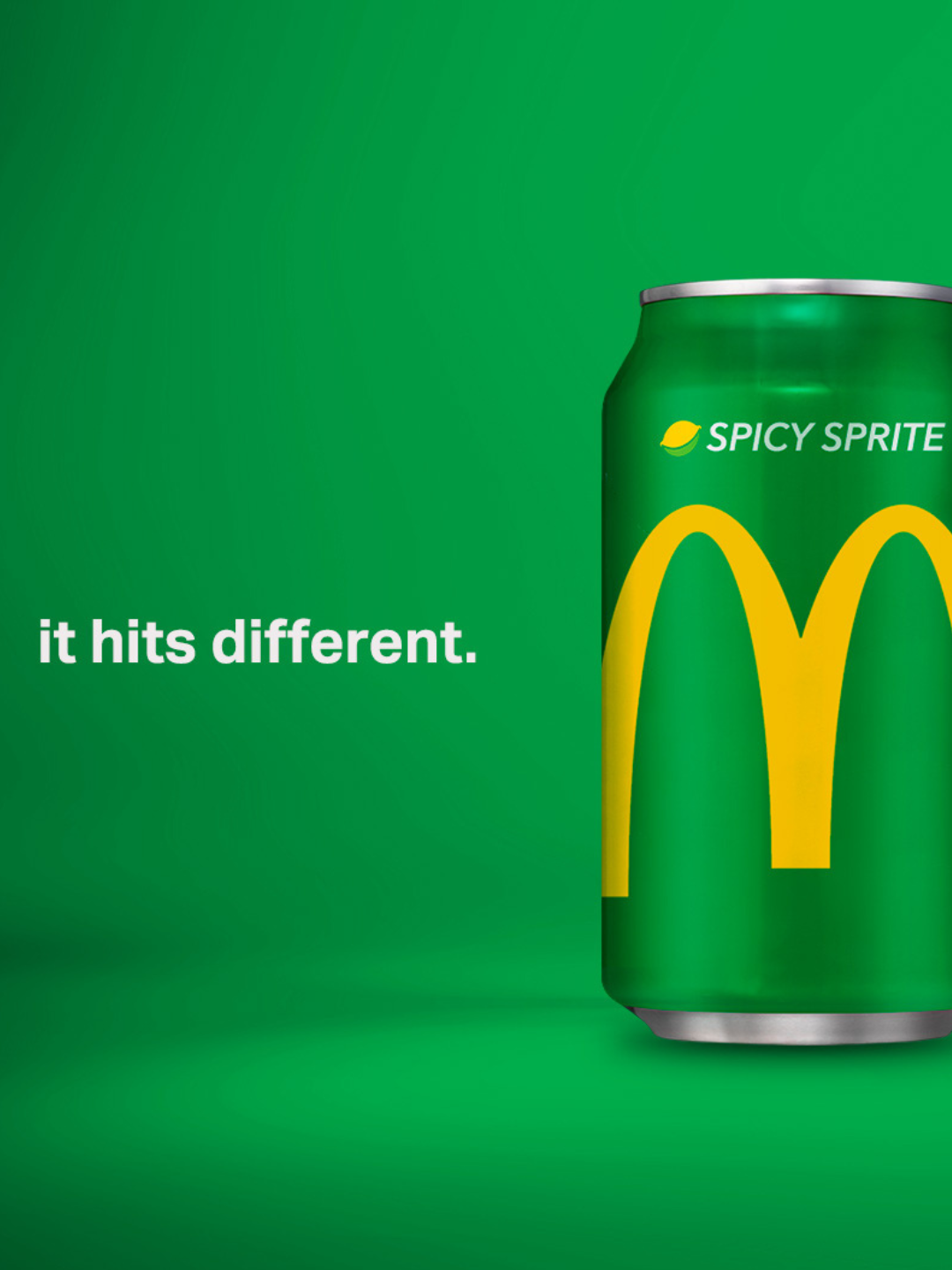
McDonald's Spicy Sprite,
"it hits different" did something smart. It tapped into something their fans already talked about. McDonald's Sprite has genuine cult status. The joke worked because it wasn't invented out of thin air, it grew from something real and deeply understood about their own community.
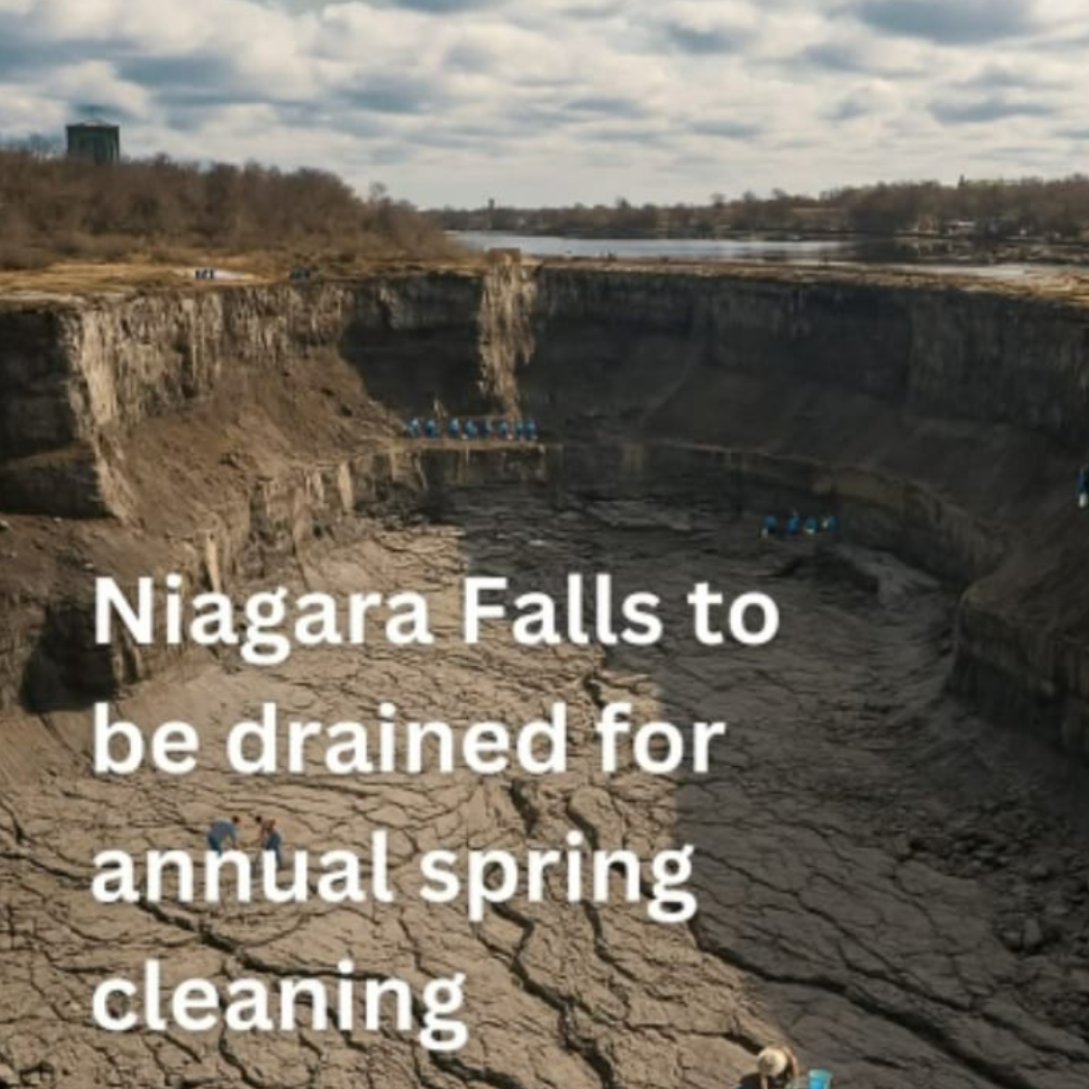
Niagara Parks announced they'd be diverting the flow over Horseshoe Falls for "annual spring cleaning," with water restored the following day. The image of a completely dry falls is so deadpan, so committed, and so Canadian in its delivery that it almost deserves its own award. No fanfare. Just: we're draining it. See you April 2nd.
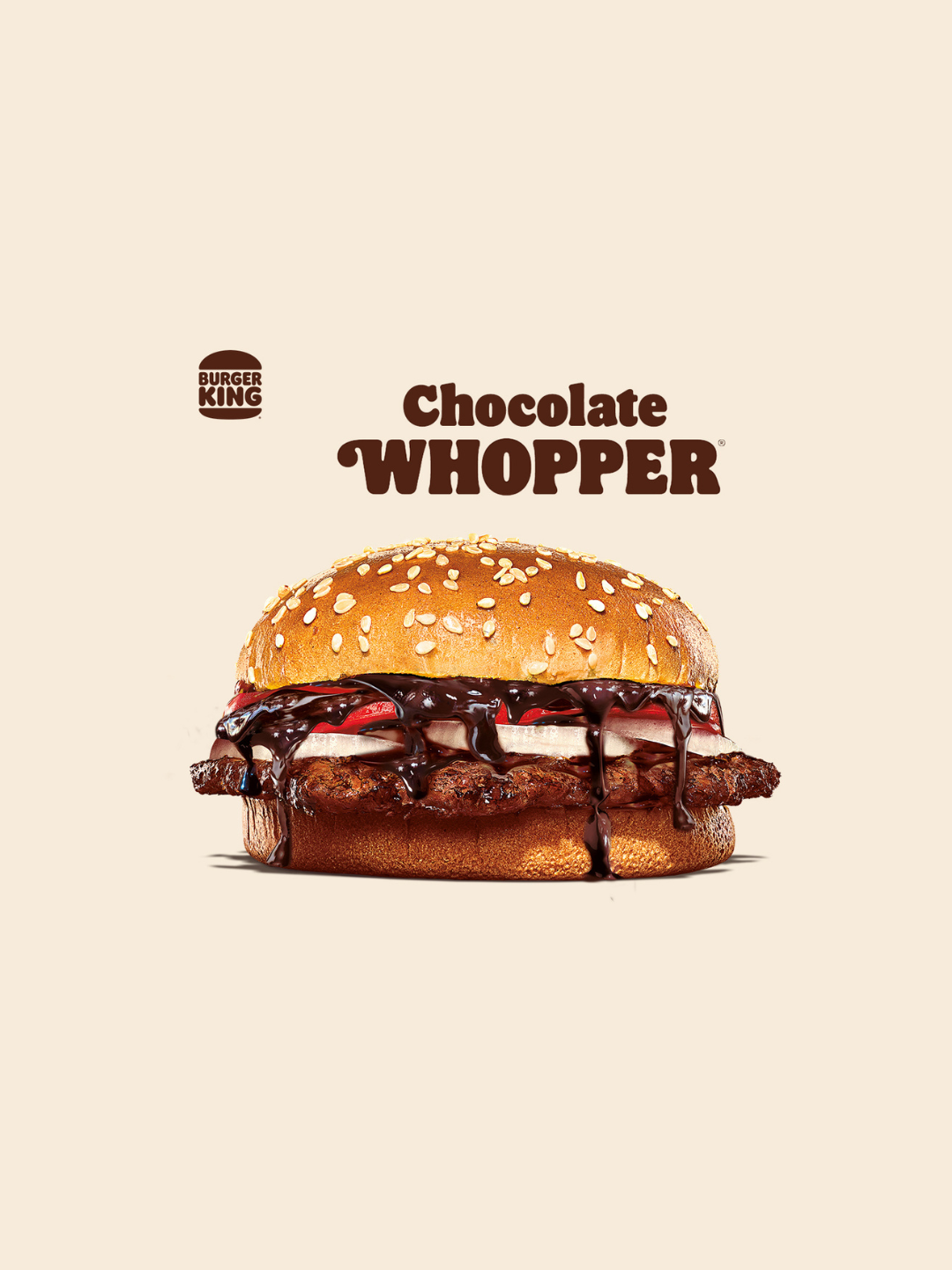
Burger King's
Chocolate Whopper is a classic example of the "wait, is this real?" category. The visual was convincing, the concept was genuinely unsettling in the best way, and it required zero explanation. You looked at it, you felt something, you kept scrolling. That's the whole job.
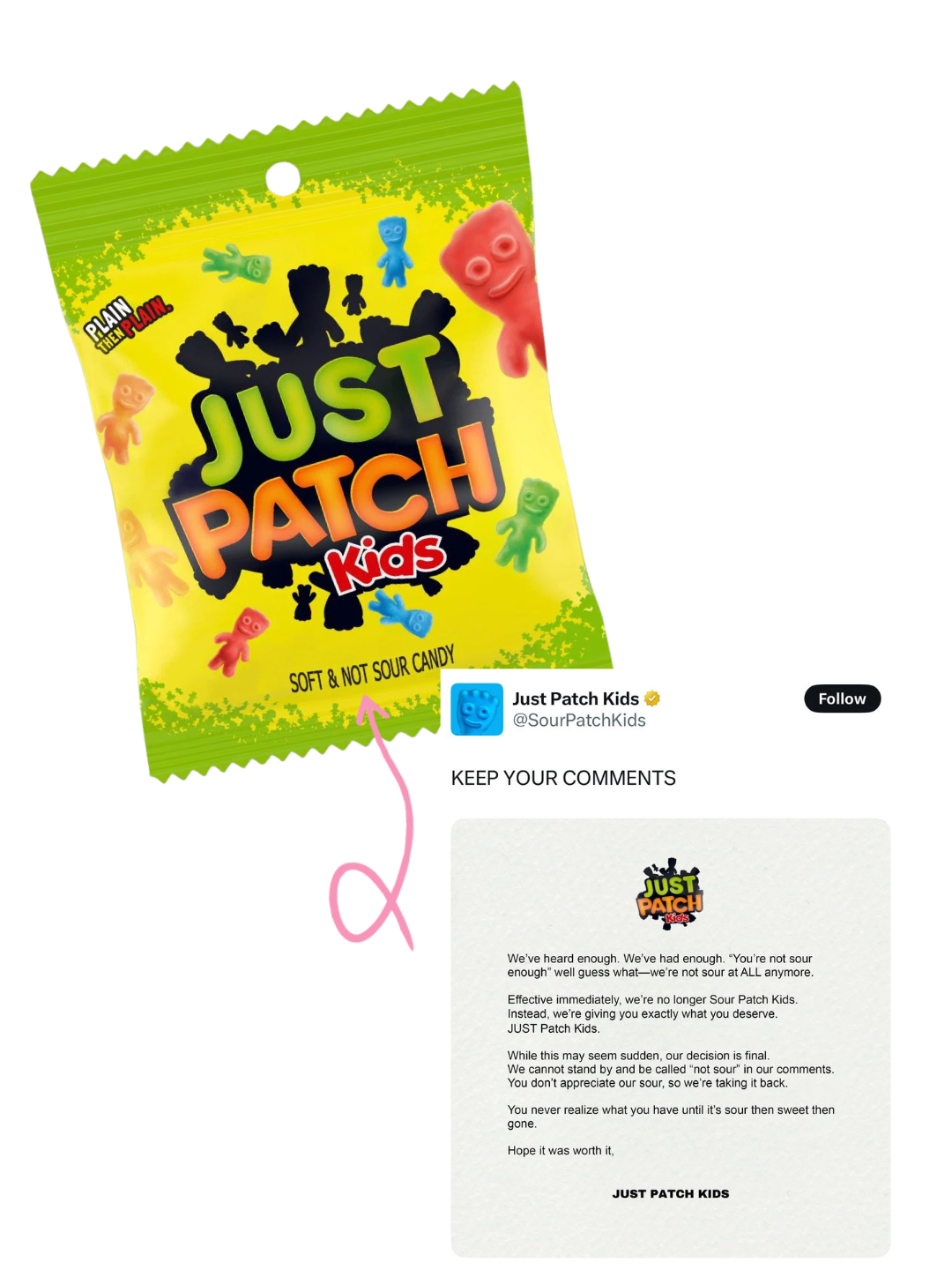
Sour Patch Kids announced they were permanently removing the sour coating, rebranding to "Just Patch Kids: Soft and Not Sour Candy." The rebrand visual was perfect, and the fan outrage was immediate and completely earned. It hit because the sour is the whole personality of that brand. Threatening it was exactly the right move.
what do all of these have in common?
None of them made you question whether the company was in trouble. None of them faked something serious. Every single one was rooted in something true about the brand. An existing product, an inside joke with their audience, or a real cultural moment they belong to.
That's the formula, if there is one: be silly, stay yourself, and make people feel good.
What does this mean for smaller brands?
You don't need a big budget or a
full creative team to participate meaningfully. You need to know your audience well enough to make them smile. A
well-timed Instagram post that playfully exaggerates something real about your brand will always outperform a prank that goes too far.
And if you can't think of something that genuinely feels like you? Sit it out. There's no shame in that. Forced humour is immediately obvious, and obvious is worse than absent.
April Fools is one day a year where the bar is just: make people feel something good. That's actually not that hard... if you
know who you are.
Published :
Craving more?
WE LOVE THAT.